
That Frustrating Moment When Your Garage Door Won't Stay Closed
You press the button on your remote, the garage door starts its descent, and then — just before it reaches the floor — it reverses and goes right back up. You try again. Same thing. Maybe it works on the third try, maybe it doesn't. Either way, you're standing in your driveway in Homosassa wondering what's going on.
This is one of the most common garage door complaints we hear from homeowners across the Nature Coast. The good news is that a reversing garage door usually has a logical, fixable cause. The not-so-good news is that ignoring it can lead to bigger problems — or leave your home unsecured. Let's walk through the most common reasons this happens and what you can do about each one.
Understanding Why Garage Doors Reverse
Modern garage door openers are equipped with safety features mandated by federal law since 1993. Two key systems prevent the door from closing on a person, pet, or object:
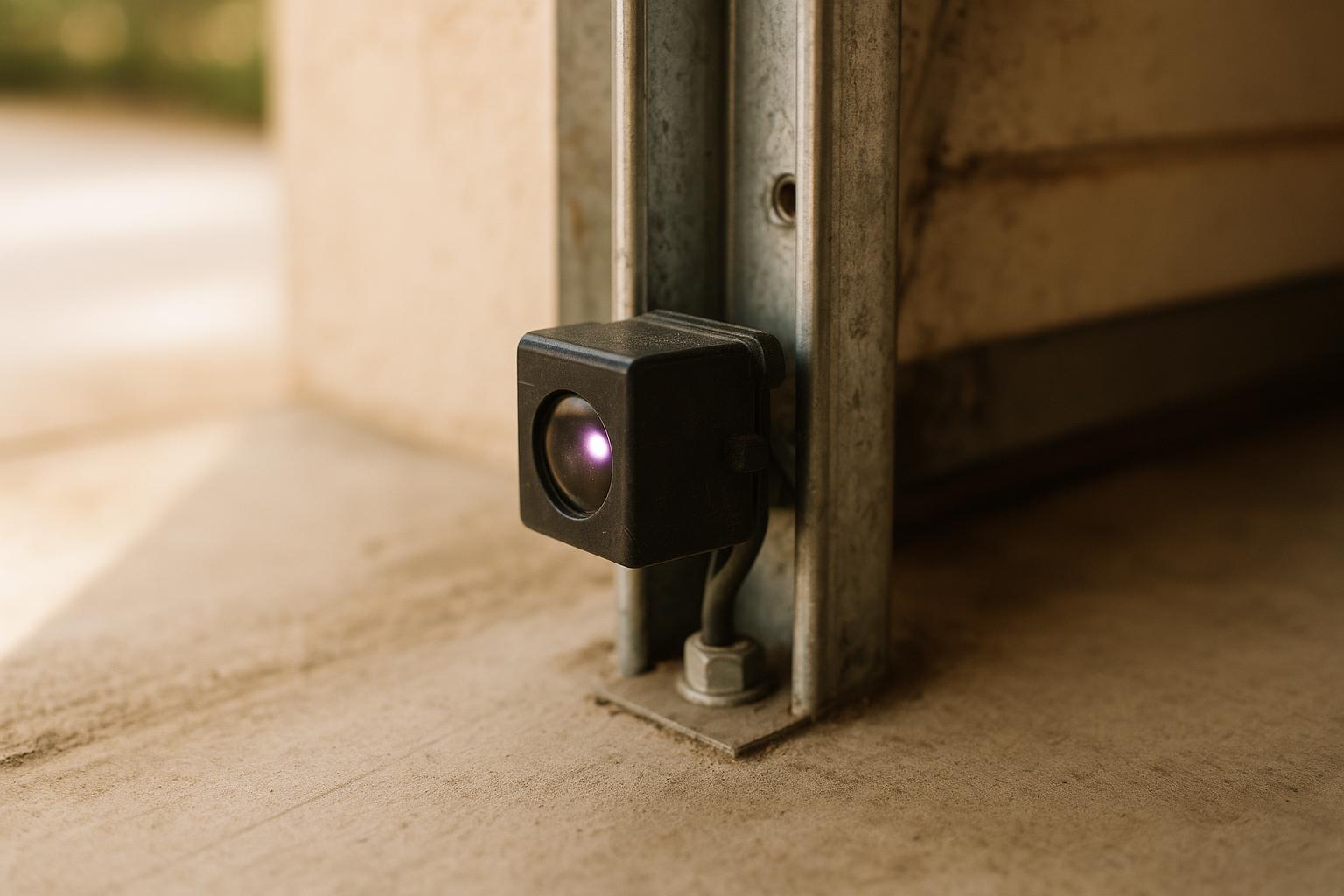
- Photo-eye sensors: These are the small sensors mounted near the bottom of your garage door tracks on either side. They project an invisible beam across the opening. If something breaks that beam, the door reverses.
- Auto-reverse mechanism: If the door encounters physical resistance while closing — like hitting an object or the floor too hard — it automatically reverses direction.
Both of these systems are essential for safety. But when they malfunction or get thrown off, they can cause your door to reverse even when nothing is actually in the way.
Common Causes and How to Troubleshoot Them
1. Misaligned or Dirty Photo-Eye Sensors
This is the number one reason garage doors reverse unexpectedly. The photo-eye sensors on either side of your garage door opening need to be perfectly aligned and free of obstructions. Over time, they can get bumped, knocked out of alignment by a lawnmower or bicycle, or simply accumulate dirt, cobwebs, and grime — something that happens quickly in Florida's humid climate.
What to try: Gently wipe each sensor lens with a soft cloth. Check that both sensors have a steady light (usually green). If one is blinking, it likely means the sensors are misaligned. Carefully adjust the sensor bracket until the light holds steady. Make sure no leaves, debris, or spider webs are blocking the beam path.
2. Close-Limit Settings Need Adjustment
Your garage door opener has settings that tell it how far the door should travel before it's considered fully open or fully closed. If the close-limit setting is off, the opener may think the door has hit an obstruction when it's really just reaching the floor. It interprets the resistance as a safety issue and reverses.
What to try: Most openers have limit adjustment screws on the back or side of the motor unit. Consult your owner's manual for your specific model. Small adjustments — usually a quarter turn at a time — can make a big difference. If you're not comfortable making this adjustment, this is a quick fix for a professional technician.
3. Worn or Damaged Tracks
The metal tracks that guide your garage door up and down need to be straight, clean, and properly aligned. Dents, bends, or accumulated debris in the tracks can create resistance that triggers the auto-reverse. In Homosassa and surrounding areas like Crystal River and Inverness, we also see track issues caused by minor rust from the salt air and humidity.
What to try: Visually inspect both tracks for obvious dents, bends, or buildup. You can clean the tracks with a damp cloth, but do not use lubricant on the tracks themselves — only on the rollers. If you see significant damage or bending, call a garage door professional rather than trying to bend the track back yourself.
4. Broken or Worn Rollers
The rollers that ride inside your tracks can crack, chip, or wear flat over time. When this happens, the door doesn't glide smoothly, and the added friction can trigger the opener's safety reverse. You might also hear grinding or scraping noises during operation.
What to try: Visually inspect the rollers. If they look cracked, chipped, or excessively worn, they need to be replaced. Roller replacement involves working with the door's tension system, so we strongly recommend having a technician handle this to avoid injury.
5. Problems with the Garage Door Springs
Your garage door springs do the heavy lifting — literally. They counterbalance the weight of the door so the opener doesn't have to work as hard. When springs weaken, stretch out, or break, the door becomes much heavier for the opener to manage. The opener may interpret this extra weight as an obstruction and reverse.
What to try: If you suspect a spring issue, do not attempt to repair or adjust the springs yourself. Garage door springs are under extreme tension and can cause serious injury. This is always a job for a trained professional. If you hear a loud bang from your garage or notice the door feels unusually heavy when you try to lift it manually, a broken spring is the likely culprit.
6. Opener Motor or Logic Board Issues
Sometimes the problem isn't mechanical at all — it's electrical. The logic board inside your garage door opener can develop glitches, especially after power surges, which are common during Florida's storm season. An aging opener motor can also struggle to move the door consistently, leading to erratic behavior including random reversals.
What to try: Try unplugging your opener for 60 seconds and plugging it back in to reset the logic board. If the problem persists, the board or motor may need professional diagnosis. Depending on the age of your opener, replacement might be more cost-effective than repair.
When to Call a Professional
Some of these troubleshooting steps are simple enough for any homeowner to try safely. Cleaning sensors, checking for obstructions, and doing a visual inspection are all reasonable DIY tasks. But anything involving springs, cables, tracks, or the opener's internal components should be left to an experienced technician.
Here in Homosassa, we see these issues year-round, but they tend to spike during the summer months when heat and humidity accelerate wear on moving parts. Regular maintenance — including lubrication, spring inspection, and sensor alignment checks — can prevent most of these problems before they start.
Don't Let a Reversing Door Compromise Your Home's Security
A garage door that won't close properly isn't just an inconvenience. It's a security risk. Your garage is one of the primary entry points to your home, and leaving it open — even unintentionally — invites trouble. If your door is reversing and you can't identify the cause, or if your troubleshooting efforts haven't solved the problem, it's time to get professional help.
At Homosassa Garage Door Co, we diagnose and fix reversing garage doors every week for homeowners in Homosassa, Lecanto, Beverly Hills, Citrus Springs, and throughout the Nature Coast. We show up on time, explain exactly what we find, and get your door working reliably again. Give us a call and let's get it sorted out — usually in a single visit.